Still Searching for Real Knee Pain Relief?

Why Most Arthritis and Joint Inflammation Treatments Fail to Fix the Root Cause
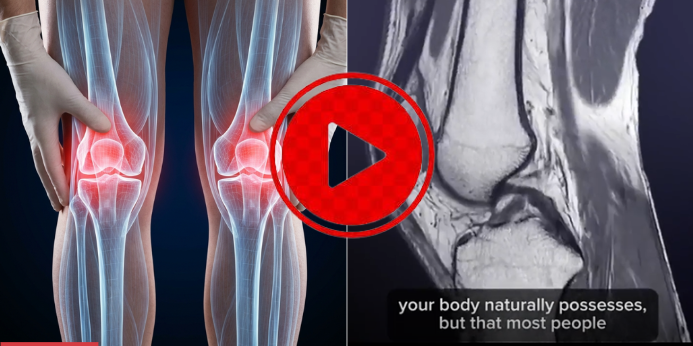
If knee pain relief only works for a few hours… If arthritis stiffness keeps coming back… If joint inflammation treatments haven’t given you lasting results… There may be a deeper reason.

The Silent Epidemic of Joint Pain

You’re not alone.

Millions of Americans dealing with knee pain, arthritis, or joint inflammation are told the same thing: “It’s just wear and tear.” “It’s normal aging.” “You’ll eventually need injections or surgery.” But what if that explanation is incomplete?

Is Joint Pain Really Just “Wear and Tear”?

For years, joint pain has been blamed on cartilage simply “wearing out.”

But emerging research suggests something different may be happening inside the joint.

Instead of natural aging alone, many experts now believe chronic inflammatory signals may continuously irritate joint tissue.

And until that internal inflammation is addressed… Long-term relief becomes almost impossible.

You're Not Alone in This Struggle

These inflammatory signals are known as cytokines. When balanced, they help your body heal. But when they become overactive, they may:

•Irritate cartilage

• Dry out joint lubrication

• Increase stiffness

• Intensify bone-on-bone discomfort


Which may explain why: Pain relief feels temporary Stiffness keeps returning Mobility slowly decreases

The Truth:

Here’s the encouraging part. Recent scientific findings suggest the human body may retain a natural regenerative pathway — even later in life. But that regeneration can only begin once the inflammatory environment is calmed. And that’s exactly what this short presentation explains.

Why Knee Pain Relief Often Doesn’t Last

you’ll discover:

Why traditional knee pain relief
methods often fail


✔ What may actually be driving arthritis discomfort

✔ A natural way researchers are using to calm inflammatory signals


✔ How some people report feeling noticeable relief within days.

And it may completely change how you think about joint pain.

FAQ

This approach was designed to address one common root factor behind chronic joint pain: persistent inflammation inside the joint. It doesn’t matter if you’re male or female, in your 50s or your 70s. Joint degeneration isn’t simply about age — it’s about ongoing inflammatory signals that never fully shut off. If inflammation is contributing to your stiffness, swelling, or bone-on-bone discomfort, understanding this mechanism can be a critical first step.

The duration of your pain does not automatically determine the outcome. Many people assume that long-term joint pain means irreversible damage. However, in many cases, chronic discomfort is sustained by ongoing inflammation rather than sudden structural collapse. Even if you’ve dealt with arthritis pain or knee pain for years, identifying and addressing the inflammatory process behind it can change how you understand your situation.

No. Chronic joint inflammation affects people across different health backgrounds. You don’t need to be an athlete or in “perfect condition.” In fact, this information is especially relevant for those who feel their mobility has gradually declined over time. Even if previous treatments only masked symptoms, understanding the biological process happening inside your joints provides clarity.

The core principle discussed focuses on supporting the body’s natural processes — particularly regulating inflammatory activity inside the joint environment. It does not rely on invasive procedures or extreme interventions. Instead, it centers around understanding and calming the internal inflammatory signals that contribute to cartilage breakdown. As with any health decision, individual circumstances vary, but the mechanism itself is based on widely studied inflammatory pathways.

Many people search for arthritis pain relief, but the relief often feels temporary. That’s because most solutions focus only on reducing discomfort — not on addressing joint inflammation inside the joint itself. Chronic inflammation can continue breaking down cartilage even when pain is temporarily reduced. Understanding how joint inflammation contributes to arthritis pain is essential if relief keeps fading.

Knee pain relief can feel inconsistent because knee pain is often driven by underlying joint inflammation, not just mechanical wear and tear. If inflammatory signals remain active inside the knee joint, cartilage thinning and stiffness can continue progressing. That’s why focusing only on symptom relief may not provide lasting knee pain relief.

Joint inflammation treatment begins with understanding the inflammatory process inside the joint environment. When inflammation becomes chronic, it can damage cartilage, reduce synovial fluid, and compress nearby nerves. Addressing joint inflammation at its source is often more important than simply masking pain symptoms.

Yes. Persistent joint inflammation can gradually thin cartilage and reduce joint space, particularly in weight-bearing joints like the knees. Over time, this may lead to stiffness, decreased mobility, and increased discomfort. That’s why identifying joint inflammation early can be critical for those searching for knee pain relief or arthritis pain relief.

As we age, low-grade chronic inflammation becomes more common — a process sometimes referred to as inflammaging. This persistent inflammatory activity can accelerate cartilage breakdown and joint stiffness. That’s why arthritis pain relief strategies that ignore inflammation may not deliver consistent long-term results.

Privacy | Terms | Earnigs | Contact | DMCA
Copyright

This site is not a part of Google, Inc. or Google.com, nor is it sponsored or endorsed by Google. YouTube is a trademark of Google, Inc. Disclaimer: This site is provided for educational purposes only.

Please consult a health professional before implementing any strategy discussed on this website.

DISCLAIMER: The website's content is based upon the author’s opinion and is provided on an “AS IS” and “AS AVAILABLE” basis. You should do your own research and confirm the information with other sources when searching for information regarding health issues and always review the information carefully with your professional healthcare provider before using any of the protocols presented on this website and/or in the product sold here. The author is not engaged in rendering medical or similar professional services or advice via this website, and the information provided is not intended to replace medical advice offered by a physician or other licensed healthcare provider.